-
We Made a Podcast (Episode #1)
Check it out below. We have two more ready for weekly release. Let us know what you think and how we could improve! Smash that like button, ring that bell, all that crap.
-
For Sale: 1974 Mazda Rotary Pickup
Someone showed me this on the RX-7 discord server. This is a Mazda Repu, the mini truck that proudly tells you it’s ROTARY POWER(ED). This one appears to have had a hell of a life, as illustrated by these photos of it running the corksrew at Laguna Seca. Whether or not it’s handling it, I don’t know, but it sure looks cool.

This thing has some serious patina, and is powered by a 1985 RX-7 swap. The owner lists a lot of pros and no cons. Are you ready to have the most unique truck at Cars and Coffee whenever we start doing them again? $12000 on Facebook will get you there. For some reason it’s listed as an RX-7, so you’d never find it in our very own Mazda Repu thread. The Ford Courier thread may interest you as well.

-
Shitbox Seance: The Gift and Curse of Loving Turds
Lexus GS 300. Infiniti M30. Crown Victoria. Old mail trucks. When I pull back and take a macro view of my vehicular habits, a clear trend emerges. It’s undeniable: I fall in love with shitboxes. This is not how God or father intended, but since my teens, I have only had eyes for the shitty.
A large part of my obsession with ugly ducklings is rooted in my unshakable pragmatism: cars are depreciating assets (and on top of that, I’ve never had an excess of assets myself). So while I can appreciate the intricate mechanical workings of a Ferrari, I’ll never spiritually connect with one like I have with my former turd chariots.

I’ve been driving a Crown Vic too long; these are starting to make sense -Ed. This all started leading up to getting my learners permit. I would grab an Auto Trader and pore over every listing, checking the price first. At the time I had a few hundred dollars to my name, and based on my upcoming employment options, I estimated my 15-year-old net worth to top out around $1500.
With my given financial limitation, the Auto Trader became a much smaller publication. Only a few vehicles lived in my price point, many of them foreign, front wheel drive sedans; while this would be acceptable transportation for the working man, I abhorred the idea of pulling up to school in one.
When all seemed lost, I flipped to the back of the rag, and jumping off the page like a pin-up girl was my first crush: a decommissioned DJ postal jeep, 1973 vintage, running and driving for the low low price of $800. That jeep stared up at me with hope and wonder like the second prettiest girl at the trailer park.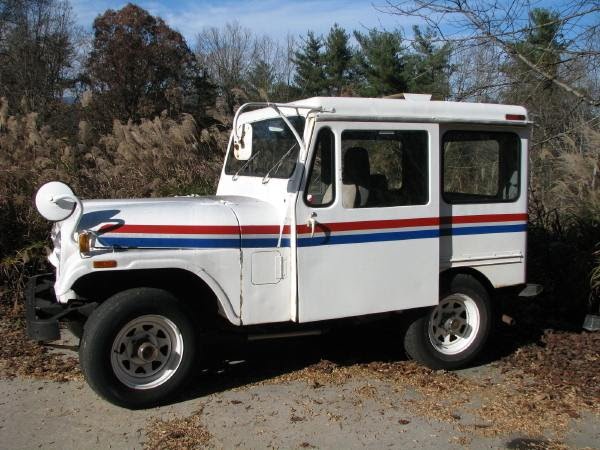
Now we’re talking This is the key to falling in love with the unlovable: you need to bend reality with obsession. Any problem was just an opportunity in disguise. No A/C? I’m just gonna open up that side door. 2WD instead of 4WD? Well, technically, it will be more reliable. Maximum speed 60 mph? I love back roads, who needs highways anyway.
For the year leading up to my 16th birthday, I inhaled every bit of information available on the postal jeep and by infatuating myself with the mail jeep through print advertising, then the internet, then celebrating them upon seeing them in the wild, I was teaching myself a pattern that I would follow into adulthood: the deep connection with the different. I never ended up getting the jeep (my father stepped in at the last moment with a nice 16-year-old stimulus package), but the shitbox seance had been completed, and there was no going back. I was drawn to the inexpensive and forgotten forever.As I grew up, I came to learn that I needed my transportation to be reliable. While I love turning wrenches, at the end of the day I’m below average at it. Those front wheel drive foreign sedans were suddenly looking a whole lot sexier.
Around this time, I was driving a 1994 Toyota Camry station wagon on its last legs. This was a hand me down car, and while grateful, I didn’t love it like I would have my own. So when it finally wouldn’t pass emissions anymore, I went hunting for my next love.
Like an oak barrel to wine, age had refined my shitty palette, and I now viewed amenities like reliability and air conditioning as mandatory. After a few weeks of browsing craigslist I found myself gazing at my next long term relationship: a 2000 Toyota Echo coupe with a 5 speed. If I squinted just right it kinda looked sporty, a trick Tercel and Paseo owners perfected before me. One owner, 62,000 miles, and $3200 dollars. While the jeep showed me the power of delusion, the Echo helped me master it.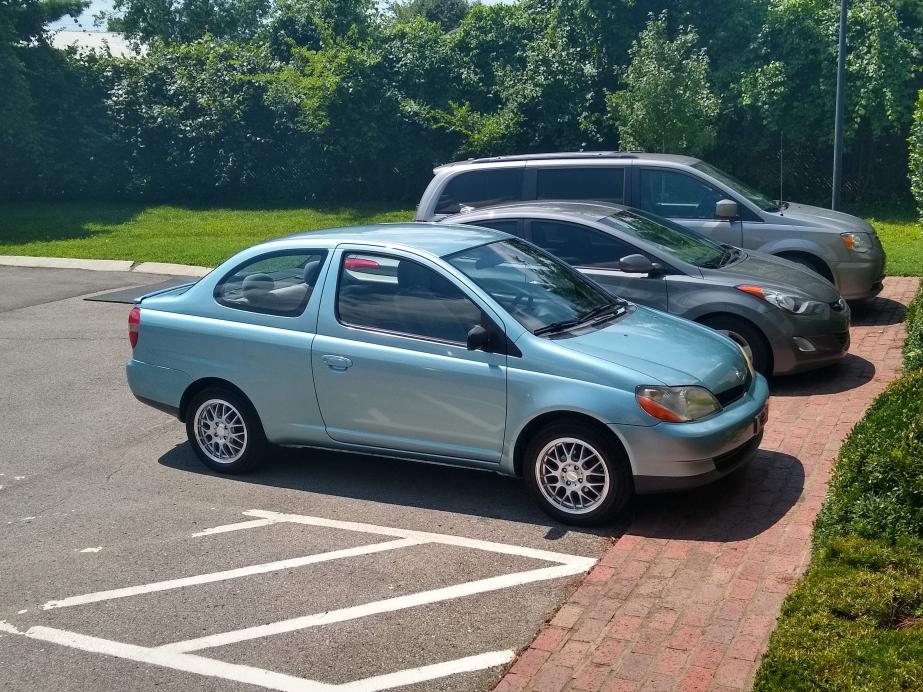
I learned patience with the Toyota early on. My twenties were turbulent times, and through it all I loved the Echo like it was an AC Shelby Cobra. Given there weren’t a plethora of modification options, I would study each one for months.
When I found Toyota made a factory trunk spoiler, I debated for a full year about it, savoring every thought. When an old man rear ended me and offered to pay cash for the damages, I knew it was my time. I purchased the decklid spoiler and had the body shop paint it with the rest. I had marked the beast: it was no longer an Echo, it was my Echo. And in the end, she was a masterpiece: meticulously cleaned and detailed, filled with premium fluids, and topped off with a service record that looked like a military flight log. This turd reliably took me to work for seven years and was polished to a mirror sheen the entire time.
When I finally went to let the old girl go, I saw in the buyer’s eyes what I knew to reside in my own. He loved the shitboxes too. He asked all the right questions of someone who had the bug. He had twenty-five $100 bills and big plans for how he was going to love this car and make it his own.
It was nice to know that another person like me was out there,
This love has never left me, and manifests now, every morning, in the form of browsing Facebook, eBay, BaT, or this site, looking for the sub-$4000 forgotten girl. I fantasize about a Buick Lesabre’s 3800 V6 purring, picture myself restoring a junkyard GS 300, or finding the right box Caprice Classic to mob around in. I could probably do better, but I’m reminded of Frankie Valli and the Four Seasons crooning:Little rag doll…
I’d change her sad rags into glad rags
If I could (if I could)
My folks won’t let me
‘Cause they say that she’s no good
She’s a rag doll, such a rag doll
Though I love her so
I can’t let her knowThere’s space in my driveway for a third car, so when I see that 1993 base model Del Sol, I linger on the listing and wonder what that little rag doll would look like if I gave her glad rags and all of my heart.
-
Business Class: BMW 740iL
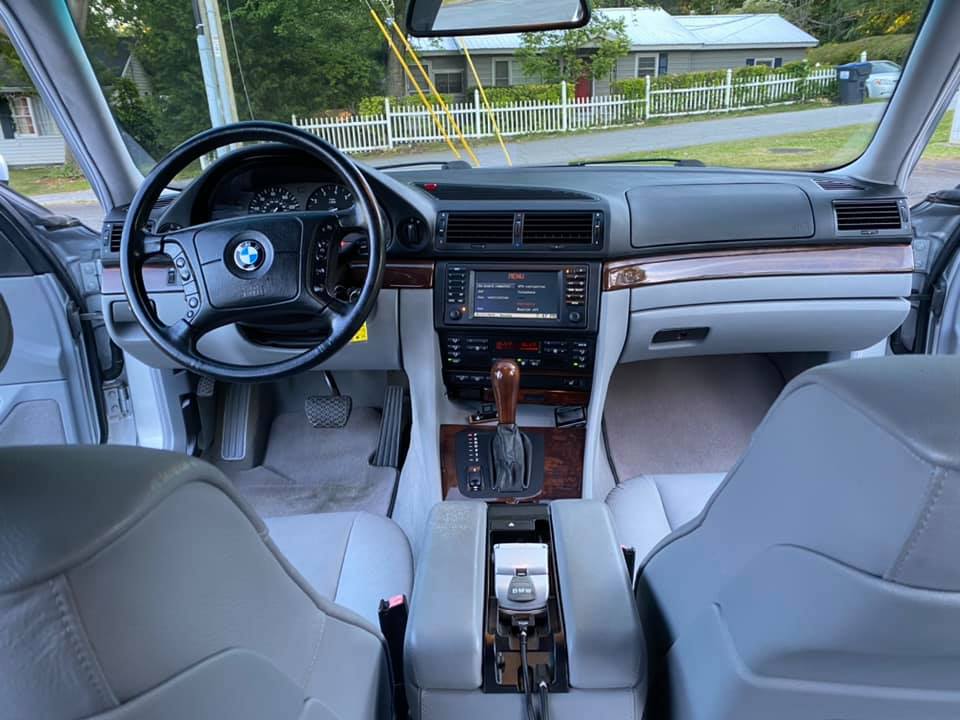
Located in Marietta Georgia and listed on Facebook Marketplace, this beauty is ready for rehoming. I’d love to hear the nightmare hidden costs of E38 ownership, because this is bordering on Crown Victoria money.
Source: Facebook Marketplace -
The Second Rice Age: Cheap Gas, Empty Roads, Twelve Hundred Dollars, and You

Did you just get $1200? Congratulations, you can afford a Miata. Get in our Discord server and find one. The last major depression this country faced in 2008 basically killed the ricer fad, which had gained traction in the ’90s and was shot to the forefront of pop culture via 2001’s Fast and the Furious. Throughout the early to mid 00s cruising hangouts once once only graced by rumbling Camaros, Corvettes, and Mustangs were suddenly overflowing with glowing, buzzing Civics and Integras, revving and looking for races at every stoplight.
Then gas prices skyrocketed during the financial crisis, cruising got expensive, and as a pop culture movement, the whole Fast and the Furious street racing culture thing washed out. The Rock and Jason Statham joined the cast and the gang became superheroes, leaving their humble glowing green Honda Civic roots behind. But rice burns eternal, and now, in 2020, the stage is set.
Fast and the Furious 9 is delayed until 2021, but the streets are empty. Gas is cheap (like, really cheap, approaching $1 a gallon cheap), there’s nothing left to do but watch Netflix or go for a drive, and right now, millions doing the latter are noticing that their car, reliable as it may be, just isn’t fun.
Luckily, the secondhand market is overflowing with cheap, interesting cars (hundreds of which are featured here daily) and you just got $1200. That doesn’t sound like much ($1200 is basically one adult dollar), but it’s enough to put a (ratchet, high mileage) racer in your (soon to be oil-stained) driveway. Here are a few models to look out for while hunting your own bargain.Note: All of the following vehicles were found using our archive search tool, available on our Discord server. Several have appeared in previous daily Feed posts (check out today’s here).
Nissan Sentra SE-R
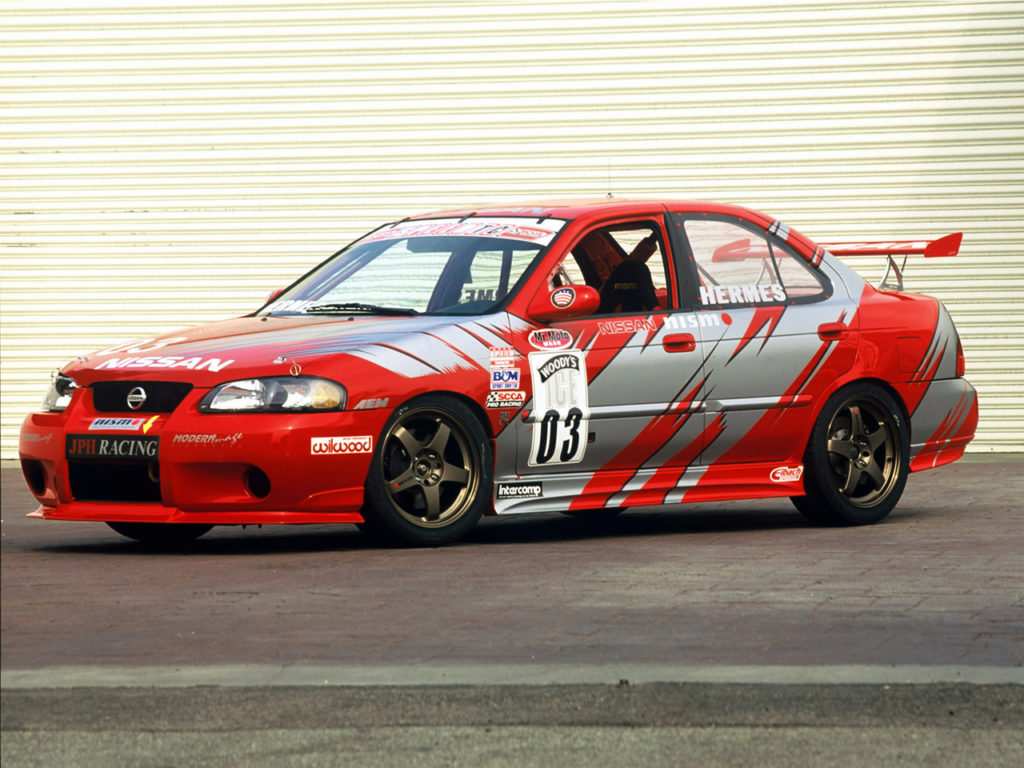
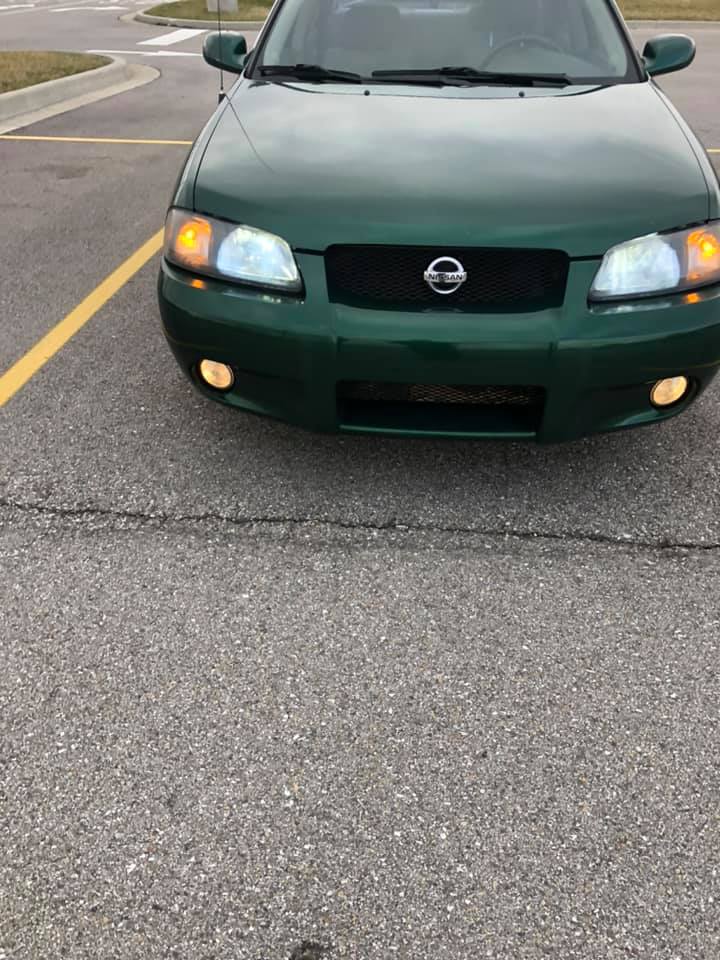
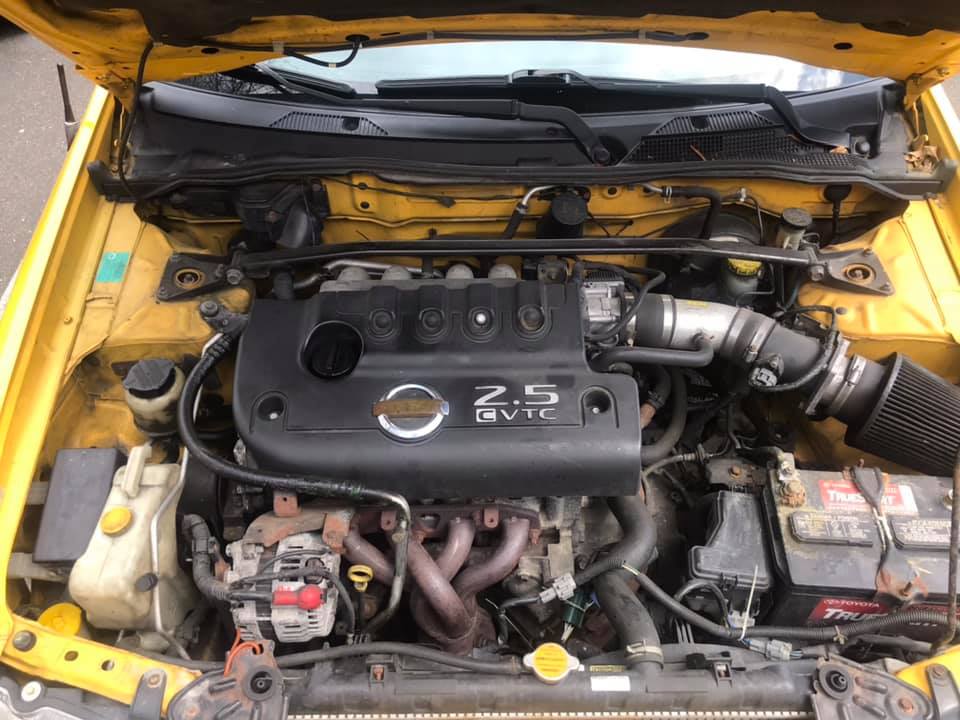
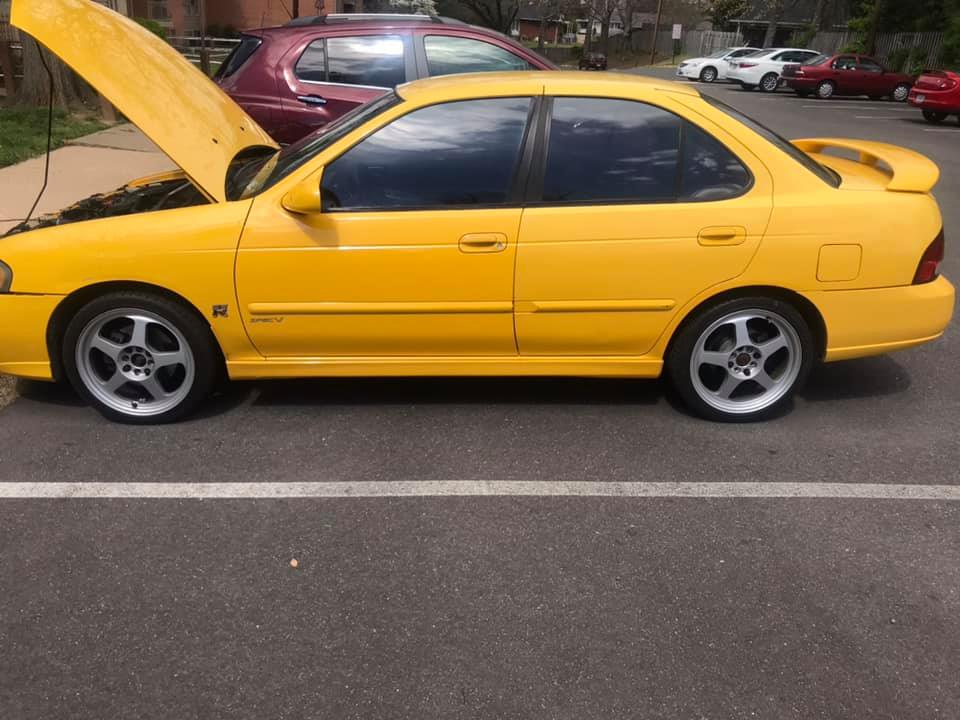
Yours won’t look like this, at first The SE-R spans several generations, but the B15 gen seems to be the most bountiful. The Spec V gets 175 horsepower out of a somewhat anemic, but ever faithful 2.5 liter four cylinder, mated to a six speed manual with a helical LSD. This would be a great car to throw around some curves; here’s one for $1800 or best offer. And a couple more (at slightly higher prices) were in The Feed, April 14th.
Toyota MR2
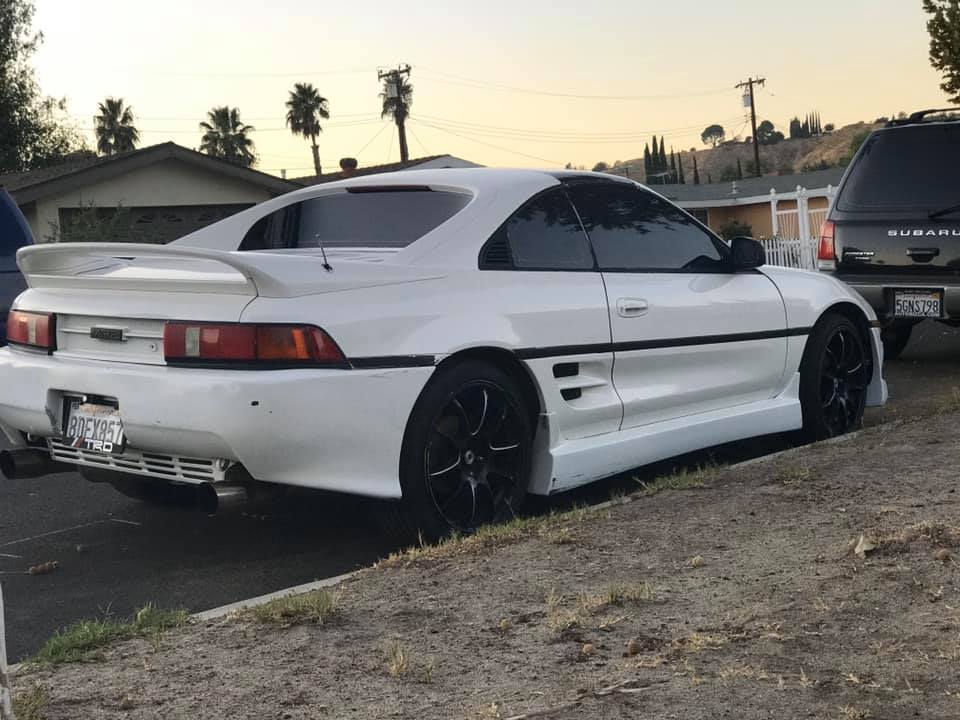
Trees, medians, mailboxes: your days are numbered Toyota’s mid-engine unicorn is surprisingly attainable. You’re not getting a cherry turbo SW20 or supercharged AW11 for twelve hundred dollars, but that’ll get you most or all of the way to a clapped naturally aspirated first or second gen, no problem. The image above is a ’91 with a quarter million miles and some electrical issues, listed for $2000 or best offer, but be warned, seller knows what he has.
Below, there’s an ’86 with only 117,000 miles (and some messed up paint), found all the way back in March 31’s daily Feed.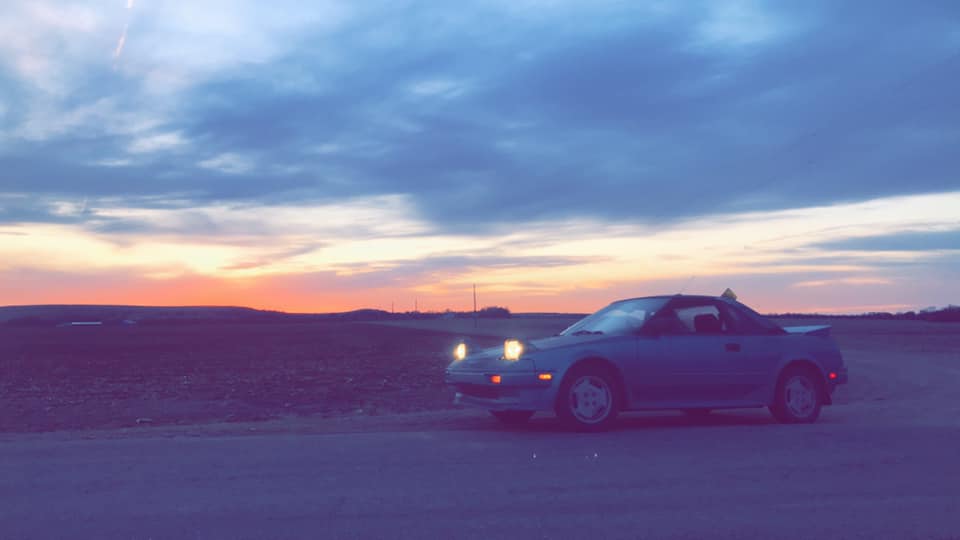
The most aesthetic coffin $1200 can buy Ford Focus SVT
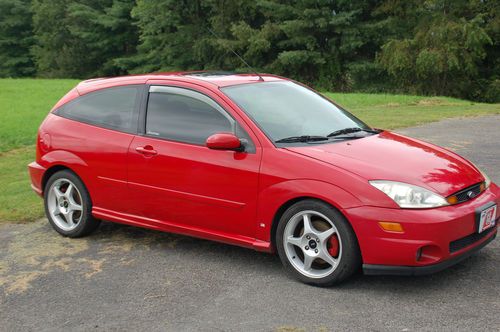
Ford held out on the America in the early 00s, and this front wheel drive, naturally aspirated Focus is all we got. But it does have a Getrag six-speed manual, 170 horsepower, and an optional subwoofer, just like the Sentra SE-R it directly competed against in the halcyon days of 00s rice. 2004, 158K, needs a clutch, $1200. Or, you could enter 24 Hours of Lemons in this heap: it’s beat but the price is $500.
Toyota Celica GT-S
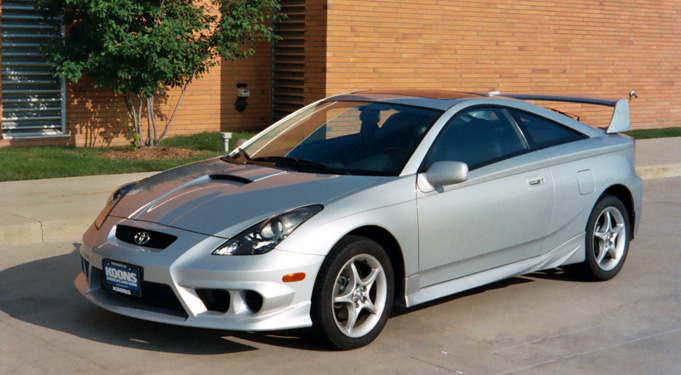
Nobody likes these. Save going to a seventh-gen Celica forum, I can’t find a single person who likes these. And yet, this car features the same VVTI 1.8 liter 2ZZ powerplant found in the Lotus Elise, putting down 180 horsepower with an 8300 RPM redline! Here’s one for $2200 OBO, and another with only 124K on the clock for $2900.
Ford Crown Victoria
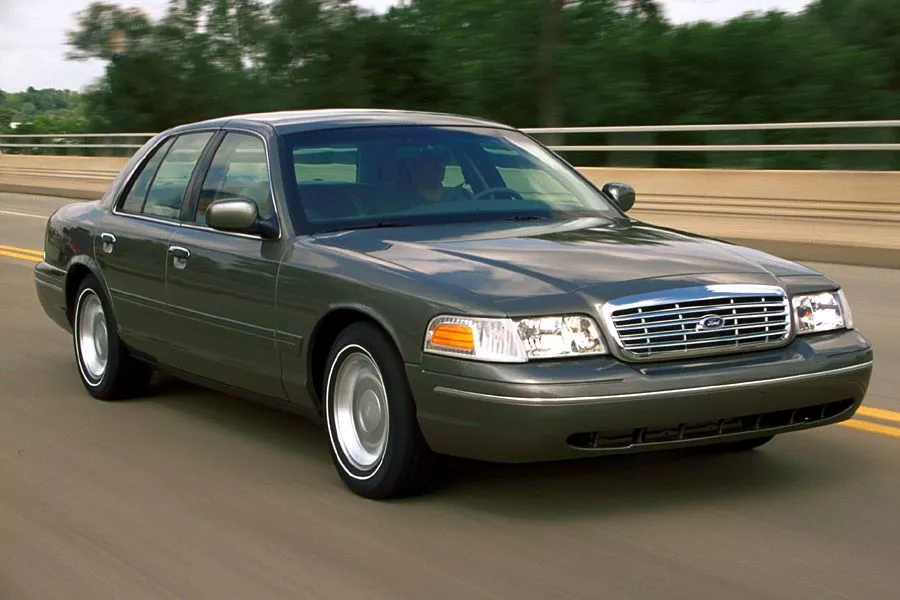
And now for something completely different This is not a sports car or even a sporty car, but a 4.6 liter v8 Crown Vic will blow the doors off every other car in this list, and you don’t need a police interceptor or LX Sport to enjoy most of what they have to offer. These all came with a 4.6 liter v8 making around 230-250 horsepower. They encourage and reward bad behavior: there’s a traction control button on the dash so you can roast your tires when the light turns green, and the spongy, soft suspension will happily bounce through potholes and over broken pavement without issue. Here’s a 2003 P71 for $1800, and another for $1500. These were both found with our Discord search tool, but we do see lower mileage LX Sports and Mercury Marauders in The Feed almost daily.
Mazda Miata
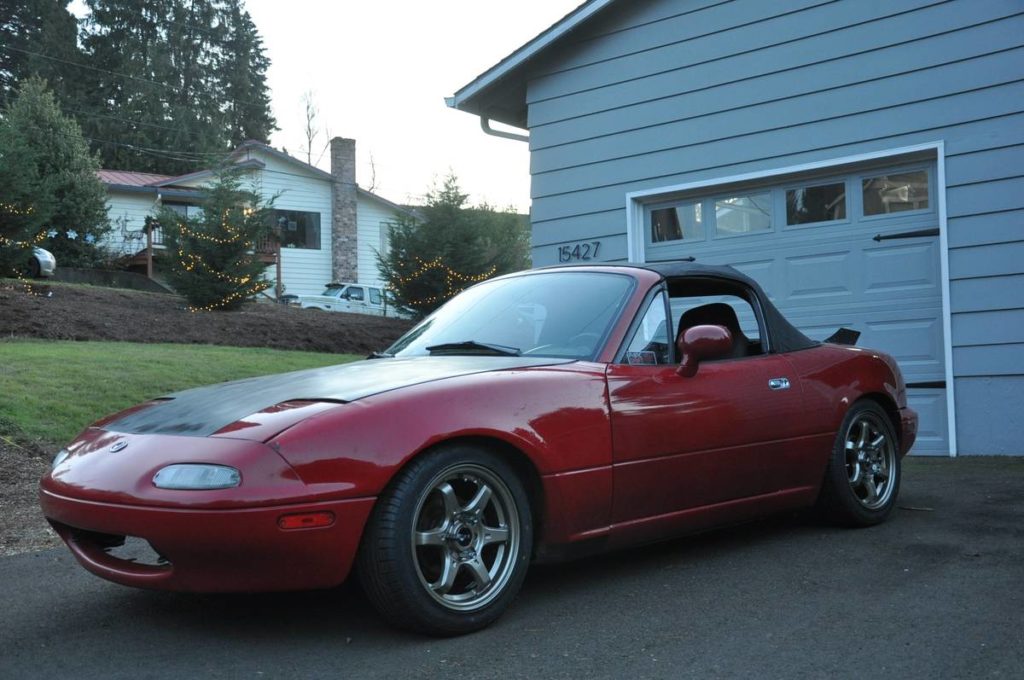
You already know everything about this car. It’s Always The Answer. something like 110 horsepower to the wheels out of either a 1.6 or 1.8 liter 4 banger, a manual top, pop ups on the older and cooler ones. This is the definitive 90s sports car, and they’re everywhere, all the time, for three grand or less, and if you keep your eyes peeled, you’ll regularly find beater high mileage NAs for $1500 or less. The example above is a 1993 with only 108,000 miles on the chassis (and quite a story to tell, based on the mismatched panels and lack of rear window or title); $2000 or interesting trades.
There’s never been a better time to grab a cheap beater and hit the road, and thanks to current circumstances, if you have no other pressing responsibilities, you’re equipped to do exactly that. Let me know in the comments or on Discord what cars you’re eyeing, and keep checking The Feed, published seven days a week, for an obscure dream car to call your very own.
-
My Adventure With “The Most Reliable Car Ever Built”, Part Three: Downtime
Editor’s note: This Understeer series tells the story of CCF contributor Netgear57’s 25 Year Law-imported 1991 Toyota Celsior, from the shores of Japan to the side of the road in El Paso. Check out Part One and Part Two if you haven’t.
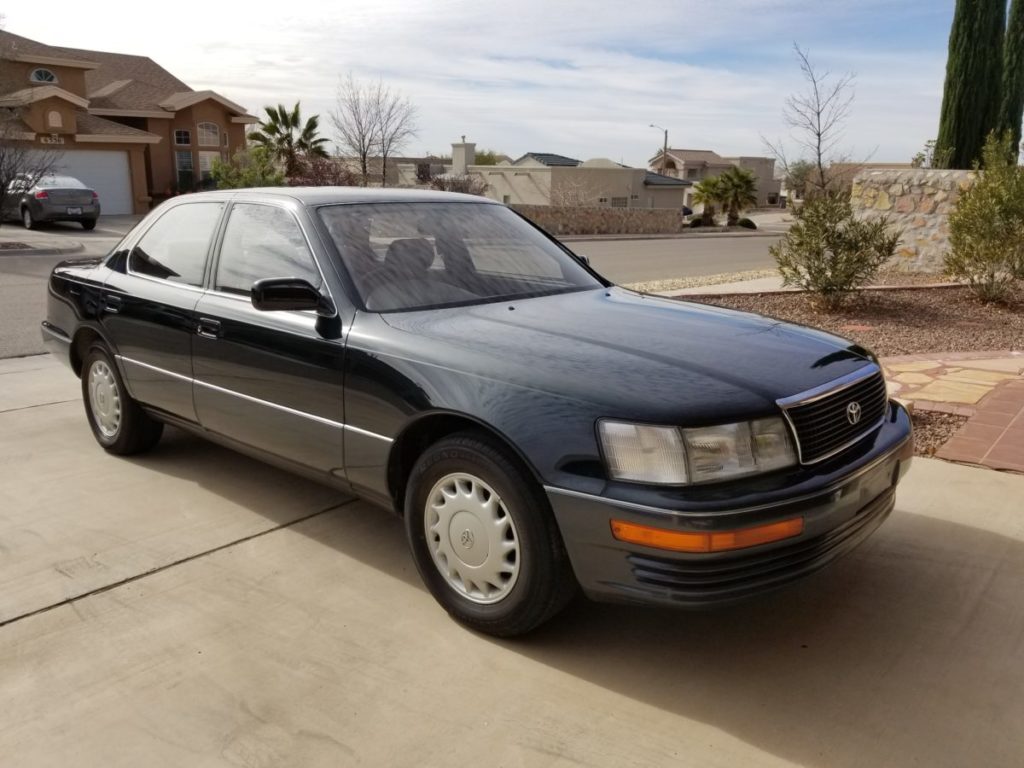
Was this all a mistake? TOP TEXT
“No. No, this isn’t happening,” I tried to convince myself. The Celsior’s strength that had brought me up the mountain was waning: the previously nearly-imperceptible hiccup was now felt like a slight misfire. I made it to work and limped the car into the parking lot, defeat once again looming in my soul as I sat at my desk and pondered what the cause of the issue could be. As I mentally diagnosed the car, I made several trips outside to inspect the engine to lend credence to my theories. Unfortunately, not a single one panned out. I surmised it may be a wire leading to the crank or cam position sensor, as the engine bay for the 1UZ is quite cluttered, and leaves little room for error regarding wiring position.
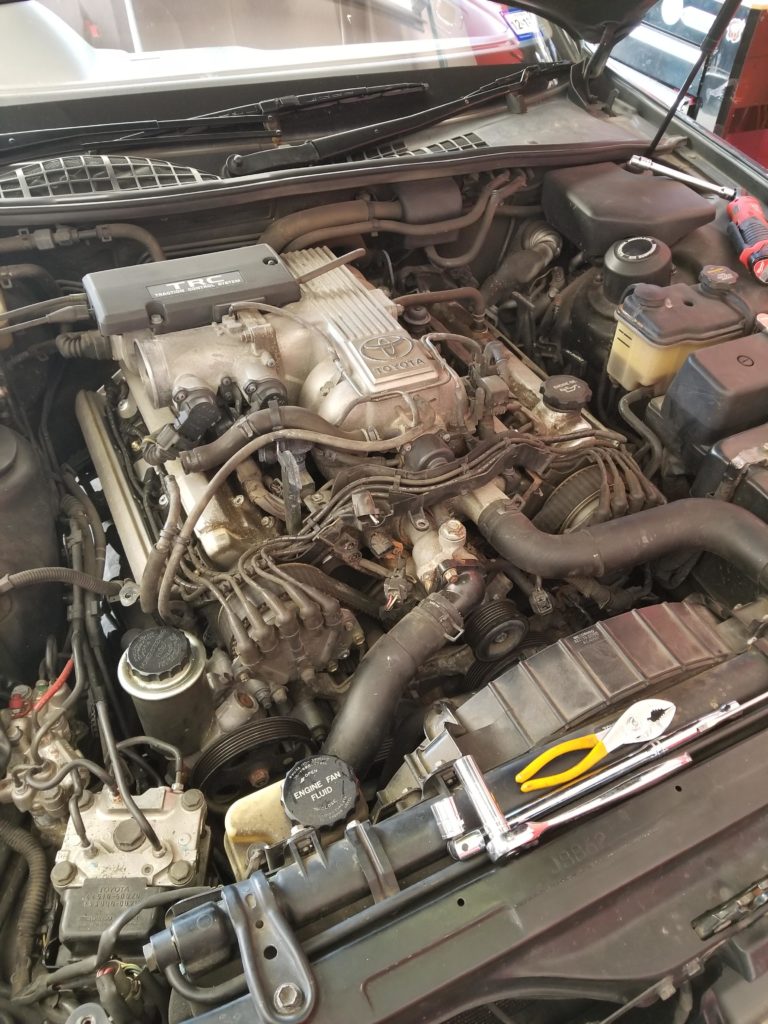
I left work early and took the long way home, as the misfiring had now grown quite severe, and I didn’t think the Celsior would be able to make it up the mountain. My destination was the mechanic shop I had just picked the car up from, and I went in to talk to the owner after I arrived. The misfire was now so bad, the car sounded like I was shaking a can full of coins as I drove. I’d never heard anything like it before.
Now, I know there are stupid people who want to blame the last person that worked on their car for everything, so I was very clear that I was not blaming them for the misfire that had developed, however there likely was a refrigerant leak that would need to be addressed. With my tail solidly between my legs, I called my wife to pick me up from the shop. So began The Great Wait.I waited. And waited. Then waited just a little bit more. I don’t really remember how long this shop had my car, but it was at least 2 months, maybe 3. Then came the call. “Hey, can you come pick up the car tomorrow?” Hell yes I could. I happily had my wife drop me off, excited to get behind the wheel of my luxury sedan again after so long. I was greeted with a dead battery, and after using the shops charger and getting it started, I discovered the misfire had not been resolved. The owner had not told me they were giving up, and I had assumed the car was repaired. I went and verified this with the owner, and yeah, they were giving up. My thoughts lingered on the judging veers and remarks that my wife was no doubt going to grace me with as I limped the once mighty Celsior out of the mechanic’s parking lot.
During The Great Wait, I started driving my S13 Silvia to work, and as the summer months approached I discovered my once-working A/C had been reduced to a hot air recirculation device; I decided to remedy this. I went to a shop that was poorly reviewed online, and decided to give them a shot after speaking with the owner. This is how I met MY mechanic, Lutz Fuggmann.
Lutz is a retired engineer, a little bit over 6 ft tall with a full head of white hair, and speaks in a heavy German accent. His shop cleanliness rivals most airplane hangars, and all four of his bay doors remain closed at all times because Lutz cannot be in the sun. I didn’t ask the reason, but I assumed it was vampiric. I quickly figured out why his shop is rated so poorly: Lutz does not give a fuck. He will do the job correctly, and charge you accordingly, and this doesn’t fly well in El Paso, TX. His passion for vehicles is evident, and the Porsches in his bays spoke of the clientele that do put up with him. He converted my Silvia from R12 to R134a and had the A/C once again blowing cold.
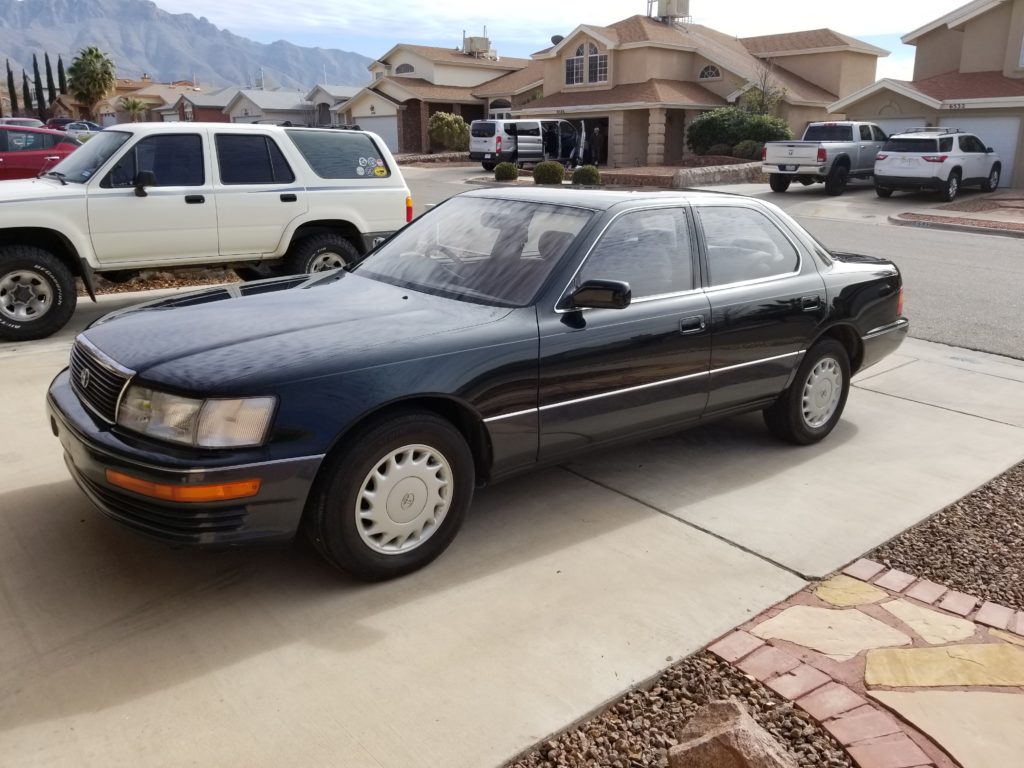
When I picked up the car, Lutz scolded me for not driving the car enough. Like a doctor, he gave me instructions to drive the car at least once a week or at the very least idle until up to temp. I assured him I would meet his demands.So as I’m limping away from the shop that gave up, I know exactly where I’m going. I drive straight to Lutz’s and park the Celsior behind his shop. I go inside and regale him with the tale of my Celsior, and the shop that gave up. This lights a fire in his belly, as Lutz has an innate hatred of “garbage shops” that “can’t fix anything”, which had been the subject of one of his rants on a previous visit. He assured me he would figure out what was wrong with the car, and I left the keys with him as I walked home, feeling confident that Lutz would no doubt get me back on the road.
But at what cost?
BOTTOM TEXT
-Netgear57
-
Craigslist Treasure: 2002 Ford Crown Victoria LX Sport
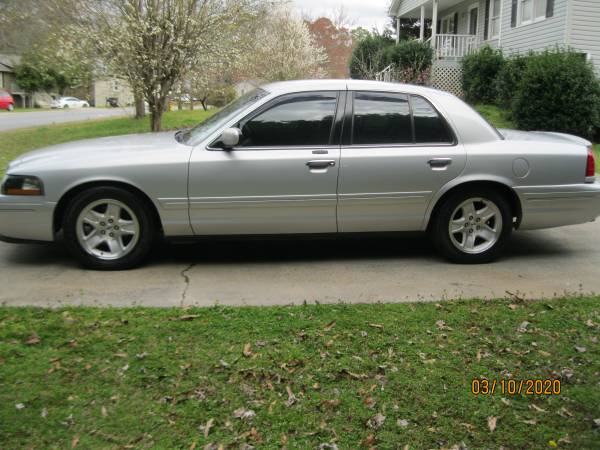
Panther perfection. Source: Craigslist The Crown Victoria is without a doubt iconic. First introduced in 1980 and ultimately killed off in 2012 at the ripe age of 32, The Crown Vic served as Ford’s rear wheel drive v8-powered sedan as long as many of the staff here at The Feed can remember. The Crown Victoria rose to fame with its most notable Police Interceptor (P71) package, which accounted for almost 90% of the panther platform production after 2008. It was the vehicle of choice for numerous state and federal municipal departments, making its grille and headlights the most recognizable front end ever produced: see one of these in your rearview, and you’ll still probably check your speedometer involuntarily.
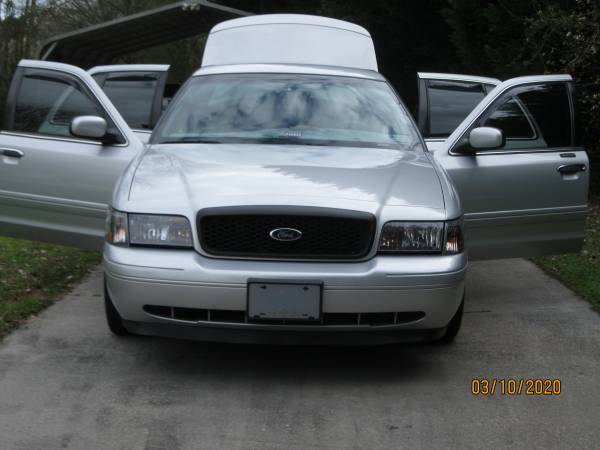
No Officer, I don’t know why you stopped me. Today’s Found on the Feed is a 2002 LX Sport, the most loaded civilian trim package you could get for a Crown Vic, and the most aggressive, save the P71. The LX Sport featured stock 17″ wheels, Monochrome exterior (no chrome), dual exhaust, rear airbag suspension, leather bucket seats with a center console and floor shifter, and more aggressive differential gearing. The seller of this vehicle claims the previous owner changed the grille to the P71 Interceptor style, but includes the original in the sale. Notably, the headlights also seem to be interceptor style or marauder lights.
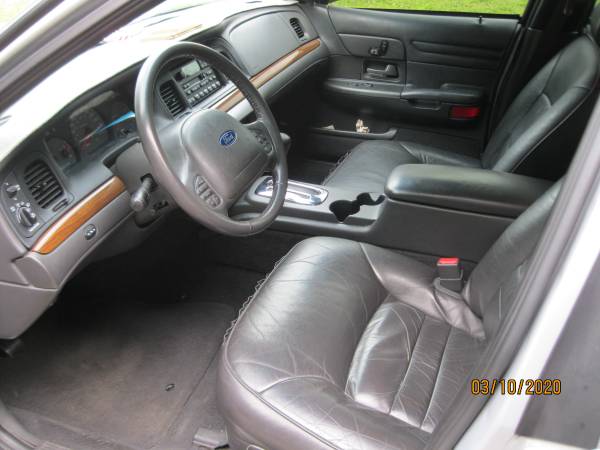
Like riding on a cloud. The seller claims that this example has never “been tampered, just pampered” and garaged its entire life. The pictures, while they lack in quality, do show a car that has been meticulously maintained and shows signs of regular wear for 18 years. This example has a touch under 90,000 miles on the odometer and the seller is only asking $4750. One Feed editor could be heard yelling “God damn that’s a great deal” when this article was drafted; later on, flights to Atlanta were priced out. So act fast unless you want to read an upcoming Understeer article on this beauty.
-
Rice of Life: A Young Man’s Journey of Identity
Source: CarDomain
I remember going to AutoZone on three separate occasions to look at washer fluid nozzle lights. Lots of things were brewing inside me, deep paradoxes and truths. Fantasy colliding with reality. My identity trying to claw itself away from my family of origin. My desire and temperance, form and function, all of these tensions and many more lived in those green-tinted washer nozzle lights.
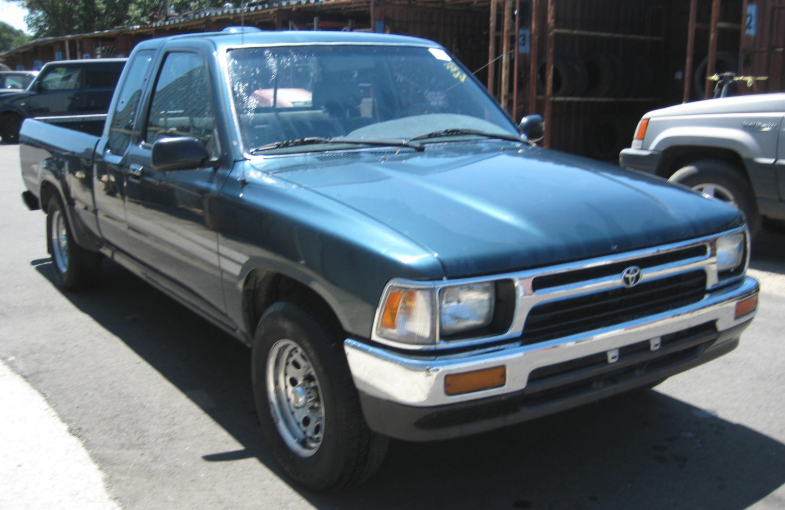
Source: author My 1994 Toyota 5-speed 4-cylinder extended-cab pickup truck wasn’t appreciated for what it was in those years; it was seen only through the lens of what it couldn’t be. Only one company made a header for it, the air intake would need to be a Home Depot affair, and my muffler options were limited. While weighing my options at the local v8 speed shop, they told me “you put this on, and it’s gonna sound like a lawnmower”. As a 16-year-old, my finances were as hampered as my mechanical knowledge, but I couldn’t fight what was in me.
I have always wanted to turn wrenches, despite going to a private school and my father being a white-collar guy. My adolescence occurred during a period where knowledge and know-how had to be passionately sought and not casually gathered from behind a phone screen. My father, while not mechanically inclined, used the networking strengths he did have to find talented shade tree mechanics scattered throughout our town. They could fix anything and everything in exchange for cash money. A cornucopia of bleary-eyed rednecks who had the ability to install a starter on a Buick Regal while never taking a lit cigarette out of their mouth, or friendly Hispanics who shook your hand with palms of rough-hewn granite. I never wanted to miss a trip to meet one of his latest connections.
Those missions to get one of the family cars repaired were like stepping into the pages of one of my favorite fantasy books. Leaving the pristine hallways of my private school, driving to an area of town I didn’t know existed. Stepping onto a shop with a floor so dirty you could feel the filth through your penny loafers. Seeing these men drinking cheap beers and smoking. That, to me, felt like they were so comfortable in their own skin, so themselves. A dream I never vocalized but always had was to come to a place like that every day after school and clean their floors, collect their empties and maybe learn something about who the hell I was. I wanted to tap the resources of these mysterious men my father knew, But he wouldn’t open up his little black book of mechanical geniuses for anything other than fixing or preventive maintenance.
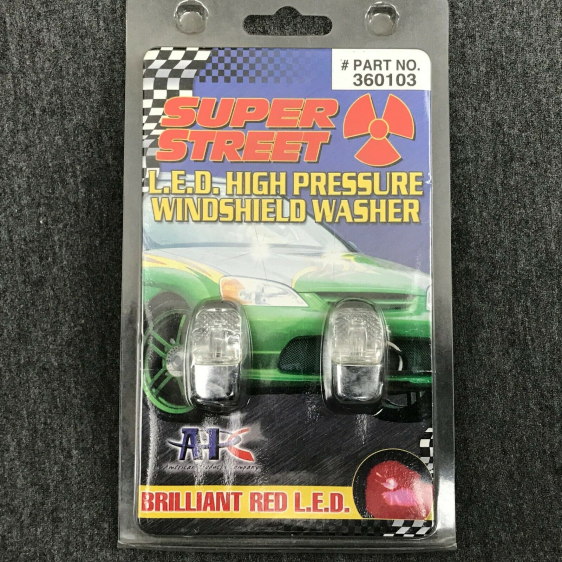
And so when I was of driving age, modifications were silly, and silently discouraged, but not outright banned. This left me with a matrix of trying to meet the needs of my wrenching desire with limited finances and a pittance of ability or confidence. Hungry for mods, I pored over catalogs, back pages of magazines, and dialed up the internet; the matrix relentlessly eliminated my options. I cruised the chrome and neon-washed aftermarket part aisles of Wal-Marts and auto parts stores, until I found myself studying the back packaging of washer fluid nozzle lights.
What hourly parts store clerk could have fathomed the storm inside of me? Could I even install them? What would they look like? Would my friends mock me? Would these somehow make women like me?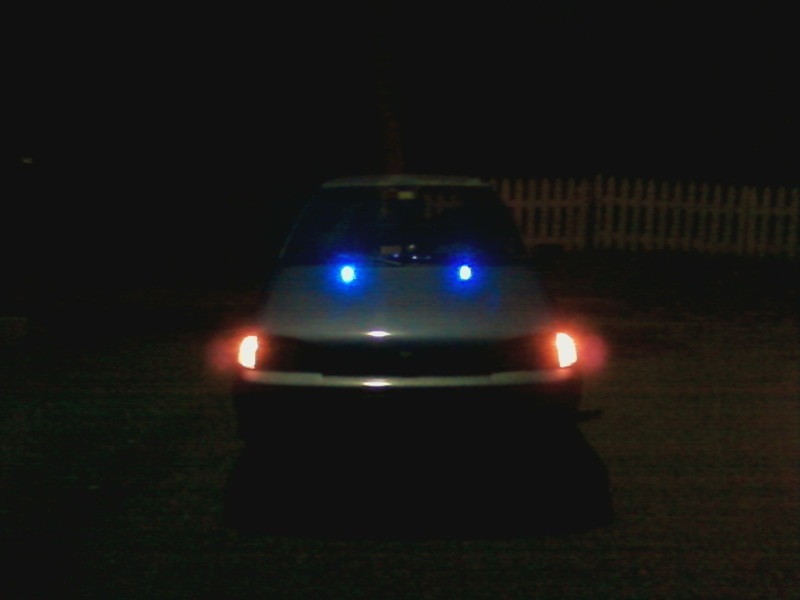
Source: Geo Metro Forums Luckily my heart won out over my mind that afternoon and the lights were purchased for $22.77. I rocketed across town, and with the help of a peer more confident than me, we wired them up and turned them on. I was too scared to actually cut wires or pull the old nozzles out. However, I enjoyed leaning over the hood of my truck and making this small change to it: I was making my mark.
It’s only through the lens of time that I have realized the deeper truth of those ricey hood lights. They were one of the first authentic steps towards a part of me that was truly me. They didn’t fit my family, my religion and definitely not my stuffy private school. It was a moment of me, answering the call of myself.So while my tastes have changed, my resources have increased and my knowledge has deepened, I always hold my tongue when a young man shows me an air raid intake or an eBay muffler. Some could say he is ruining his car, but I always wonder if he’s trying to answer one of life’s hardest questions: Who the hell am I?
-
Found on the Feed: 2008 Pontiac G8 GT
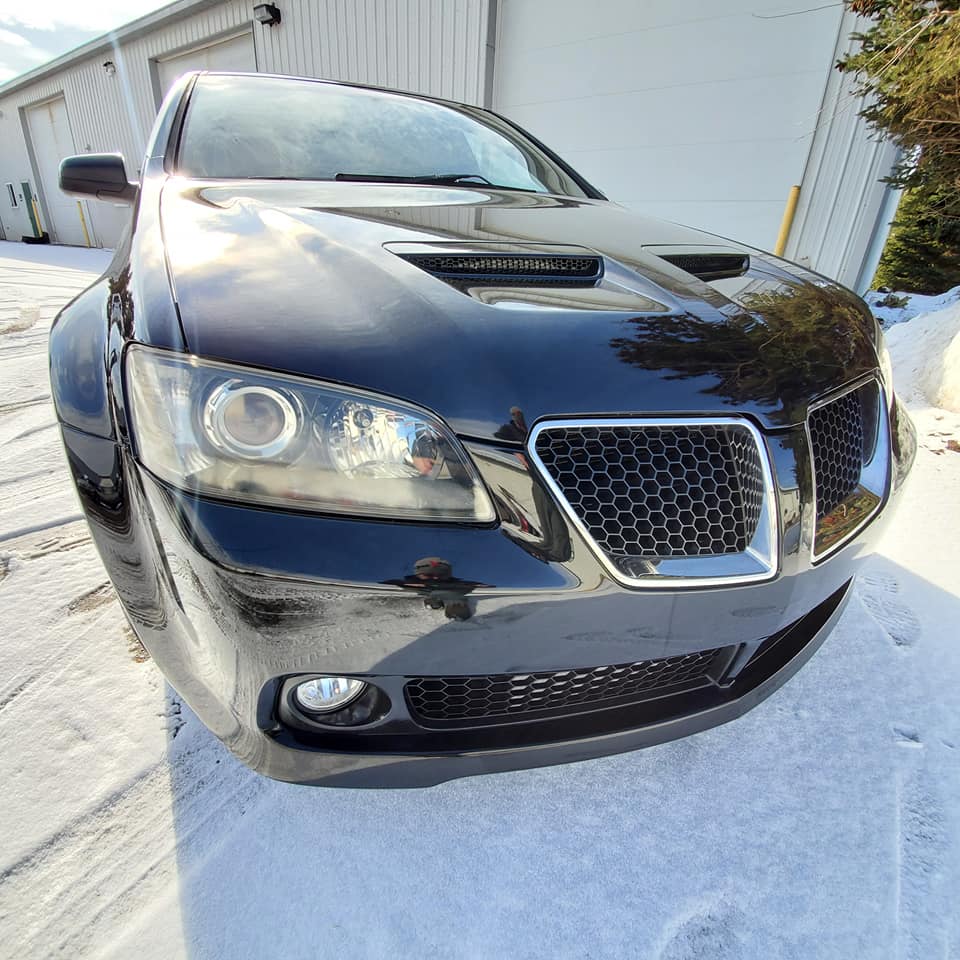
Projector headlights in a 2008. Neat. Today’s Found on the Feed is one of the best V8 and Rear-wheel drive sedans of the modern era. The Pontiac G8 was a direct import from Australia where it was built as the Holden Commodore and sold by GM under the Pontiac Brand in 2008 & 2009. Later to be replaced by the Chevrolet Caprice PPV (Police Patrol Vehicle) and it’s civilian version, the Chevrolet SS. The Pontiac G8 stands the test of time with its LS3 because its rated north of 350 HP mated to a 6 speed automatic (the 6L80 for you gearheads). Both make it very comparable to modern sedans.
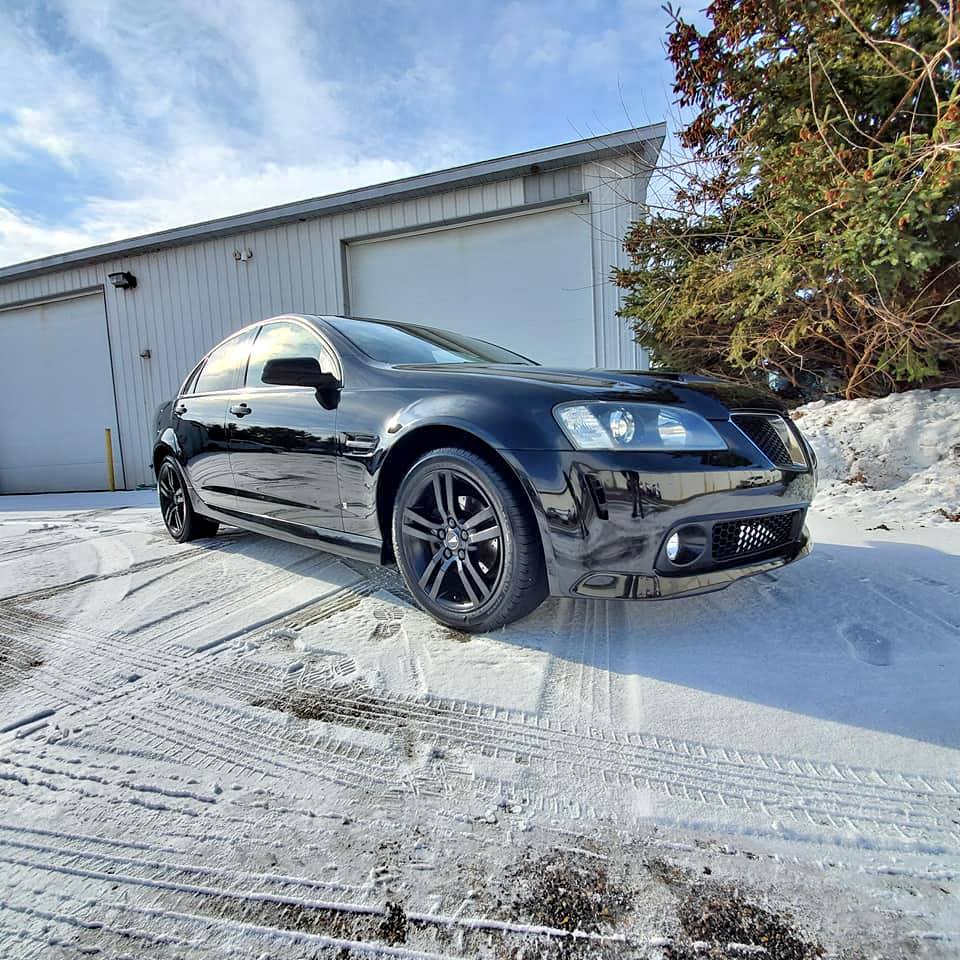
This example is fitted with Chevy SS wheels The G8 GT in today’s example is the top trim level for 2008, The GT. In 2009 GM would release the G8 GXP, which would be the top trim. This particular example seems to have some basic modifications that all LS3’s usually ended up with; exhaust and intake. This example should still make for a great highway cruiser and real bruiser on test and tune night with a few more key mods.
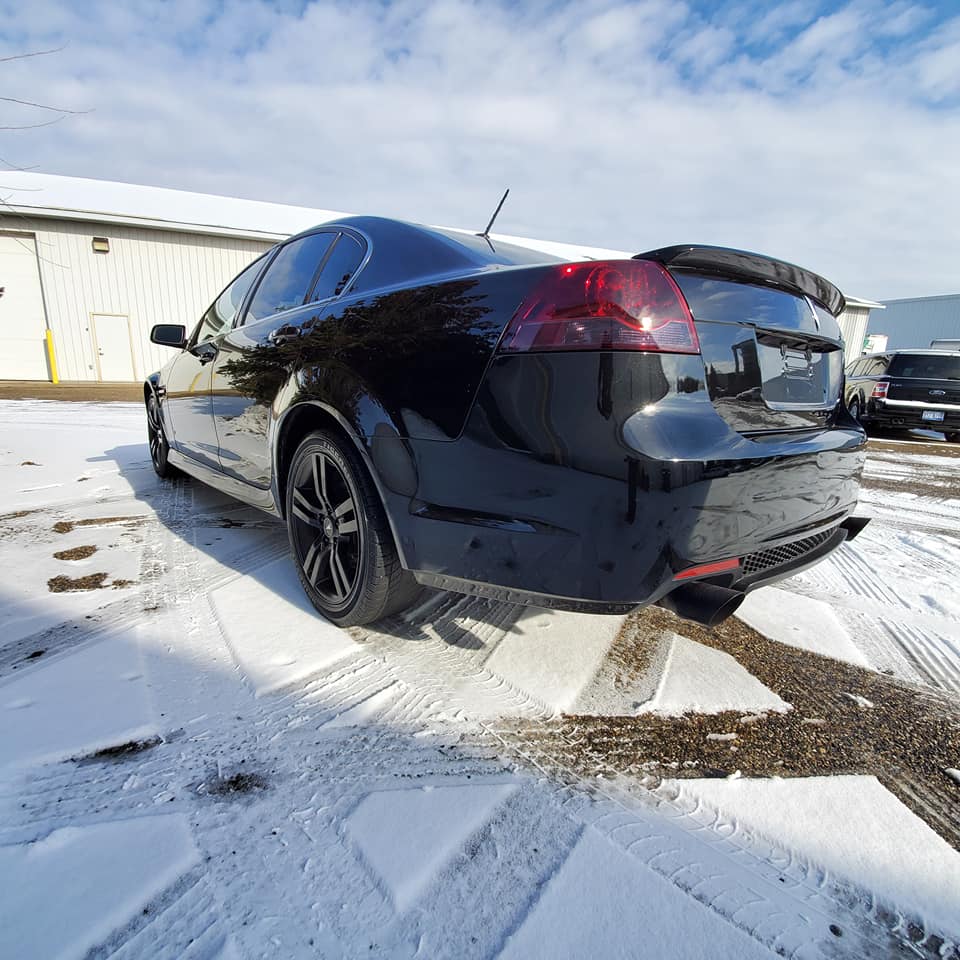
Check out those tips. The seller is asking $4800 for the car, which has 140K miles on the odometer. Assuming this car has no lights on in the dash and it drives decent, I’d say that’s not a bad price for what could be a reliable daily driver that could put a smile on a drab commute. With the included creature comforts of heated seats and an 11 speaker premium audio system, this is one fine automobile.
-
Celsior Project: Adventures With “The Most Reliable Car Ever Built”, Part Two
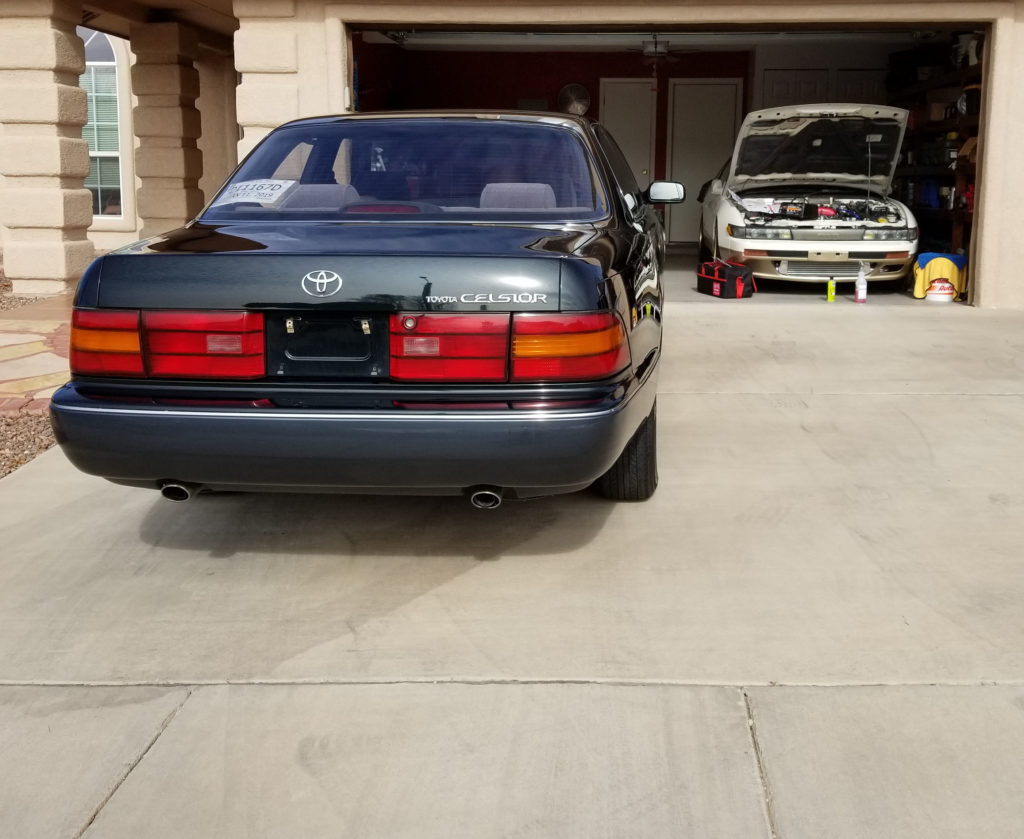
My freshly imported 1991 Toyota Celsior TOP TEXT
My previous post got a few questions regarding the cost breakdown of the importing process. Some of you wanted to know if importing a Toyota Celsior is more cost effective than buying a low mileage Lexus LS400 stateside, so I’ll try and keep a running total of what this endeavor has cost.
Just running some quick numbers in my head, I can already tell the final result is going to depress me, but we car guys don’t do it for the money, we do it because we love cars…right? G-guys?
First and foremost is the cost of getting the vehicle to the United States: Galveston, TX to be specific. I won the car at auction for roughly $2,300, and shipping/auction fees/taxes totaled to an additional $3,100, bringing the total to roughly $5,400. After it arrived in Texas, I paid a broker $900 and that took care of US import taxes, as well as shipping the car from Galveston to El Paso. If you are interested in importing yourself, this is where money can easily be saved. Add in another roughly $500 for Texas registration/taxes/inspection, and $170 for tune up parts, my cost at that point was about $6,970. That number would soon change.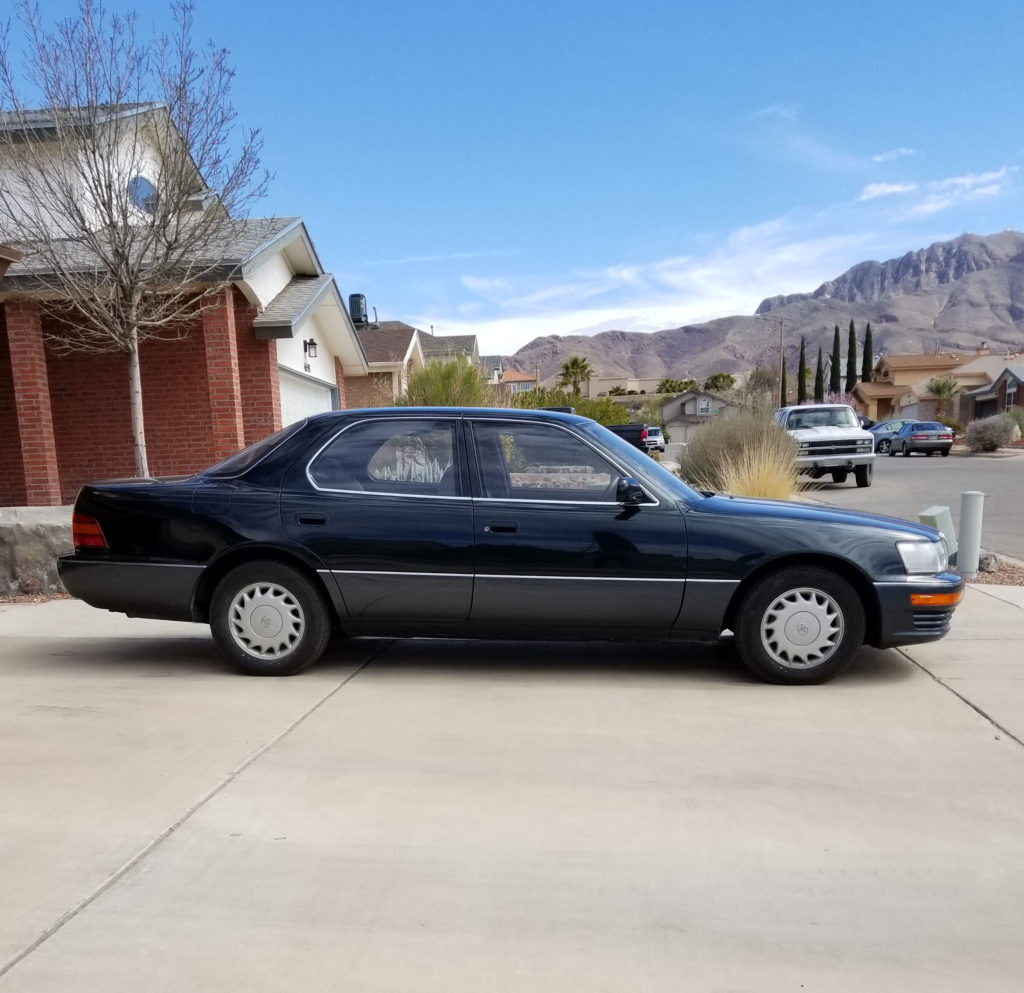
Where we last left off, I was recovering from a tune-up gone awry (admittedly, by my own hand). I was now happily LARPing as a 1990s Japanese salaryman (サラリーマン), driving to and from work in my imported, right hand drive executive sedan. Winter had now set in, and the heater worked just as well as the air conditioning, thankfully, although my Celsior does, unfortunately, lack seat heaters.
The arrival of cold weather brought with it an issue that I still have not resolved: on very cold mornings, my ABS and traction control lights illuminate. I haven’t really delved into this one, because the issue is fairly intermittent, and when it does occur, turning the car off and on again fixes it. I would say it’s a quirk, but Doug ruined that word for all of us. Will I have to address it in the future? I don’t know. Probably not. I hope not. Please no, please.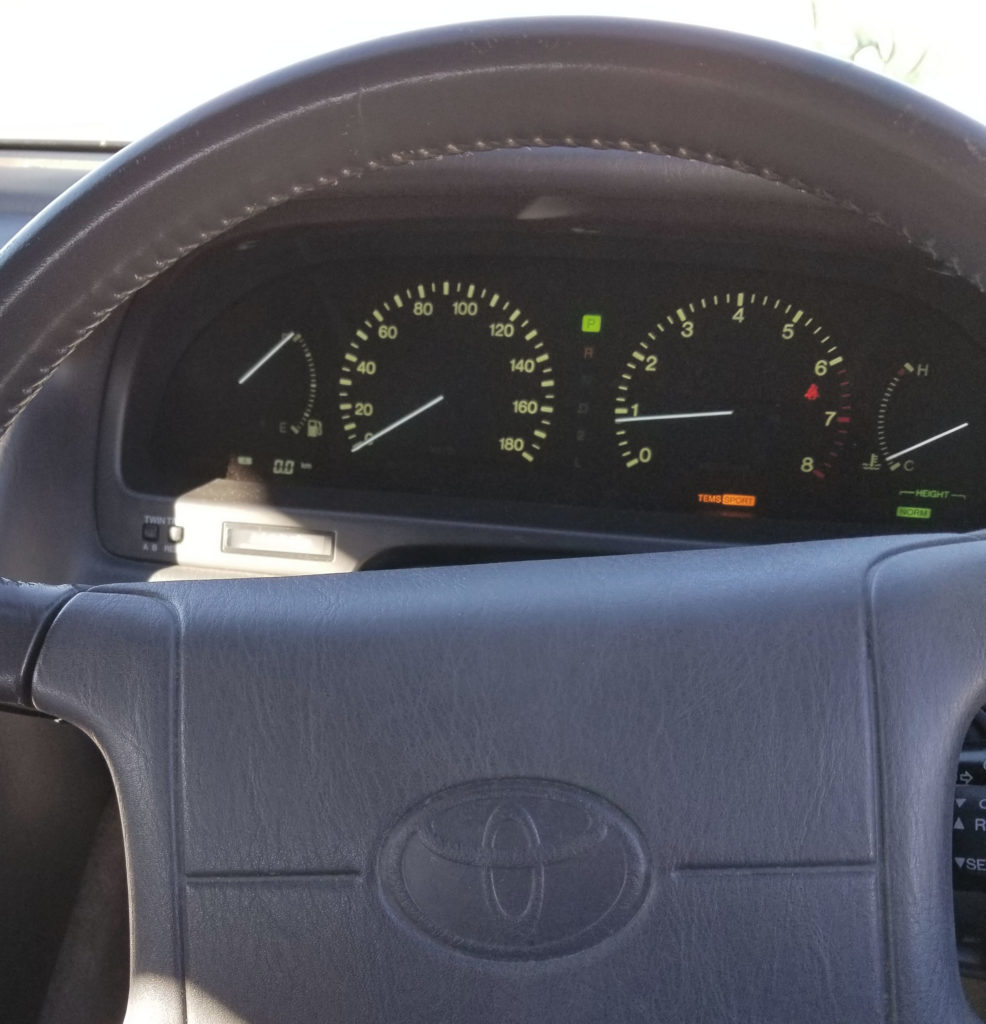
Winter in El Paso can get pretty cold, but it’s usually mild. In the tail end of winter it’s basically nice, sunny days, and it was during this time last year that I decided to turn on the A/C during my drive home.
When I pulled into my driveway, I got out of the car to open my garage using the keypad, as I lost my remote opener the moment I bought my house. As I stepped out, I noticed a noise. It was a fast, metallic rattle, and let me tell you, it didn’t sound nice. With the wind taken from my sails, I popped the long hood that kept my 1UZ-FE sheltered from the elements. I poked around for a minute, and after discovering the sound changed with engine speed, I was a little less sad after narrowing it down to my A/C compressor. I returned the driver’s seat, and sure enough, the A/C button on my dash now acted as an on/off switch for a godawful racket. Losing the garage door opener was now a strategic effort on my part, as I would never have heard the compressor rattle inside my plush cocoon of velour, metal, and glass. The Celsior insulated me from its shame.Now, when I did the tune-up, I had made a note of the location of the A/C compressor, and how it seemed like a bitch. That mental note was now brought front and center, as I ordered a new compressor, drier, and expansion valve from Rock Auto and weighed my options. I know I said I usually tackle most jobs, but after a quick cost/benefit analysis, I decided to leave this one to a local mechanic that I do my inspections with. The vehicle was also still filled with R-12 refrigerant, and I didn’t want to be the person to vent that shit to atmosphere.
This shop is usually very busy, and I told them the job was no rush, as I have other cars I could drive. They were very liberal with this statement, and about a month later I was called to pick up my R-134a converted, new compressor Celsior. During the wait time, like a good caretaker, I was thinking ahead to the next maintenance that needed to be done, and the timing belt was at the top. I had already ordered the timing kit, water pump, and serpentine belt, and told the mechanic after I paid that the timing belt would be next (is this what they call foreshadowing?) and got a quote, and told them I would bring the car back next month. I took a happy trip home with cold A/C, and parked the Celsior in my driveway, ready to relive my salaryman fantasy the next morning.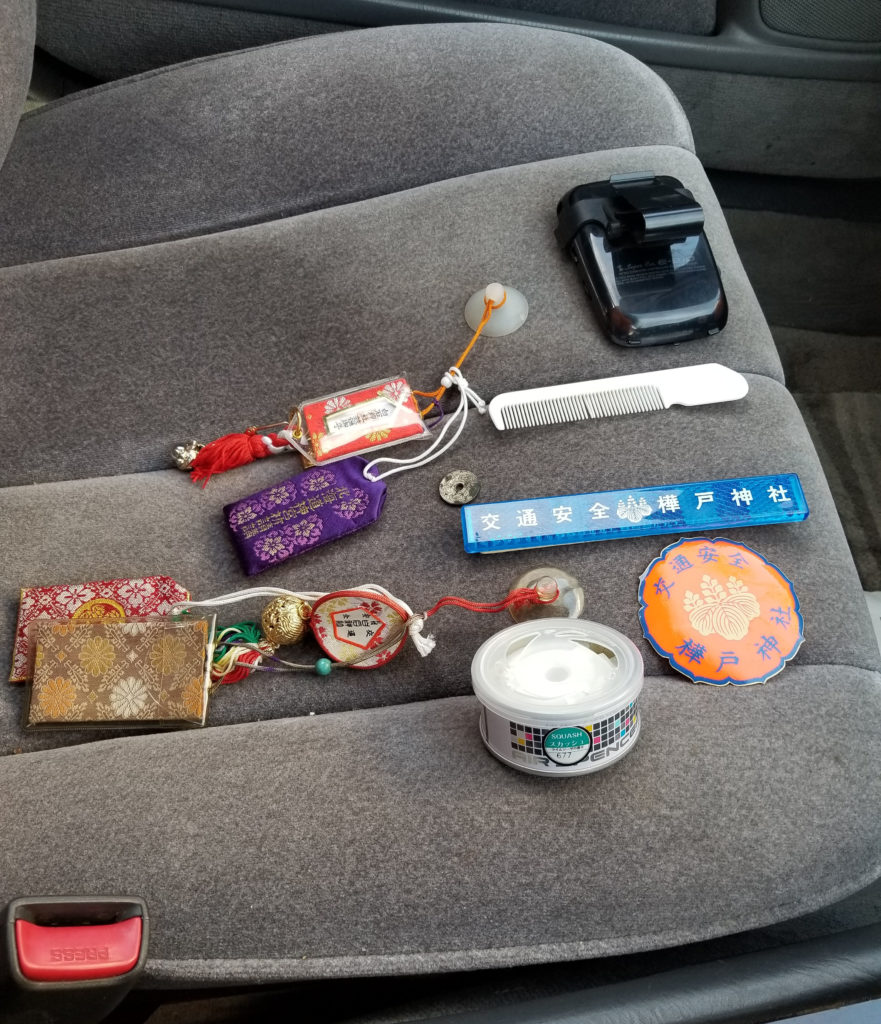
Trinkets and good luck from the motherland The next day as I left for work, I appreciated once more how smooth and comfortable the Celsior’s ride was compared to my Land Cruiser, which I’d been commuting in for the past month. The difference was night and day. It was a rather warm morning, and I went to turn the A/C on, but was disappointed to discover it not cooling as well as the day before. To add insult to injury, the passenger side vents were much cooler than the driver’s. I surmised there must be a refrigerant leak: no big deal, I’ll stop by the mechanic shop on the way home. I depressed the accelerator deep into the carpet and the Celsior happily, and oh, so smoothly, sped up the mountain pass I take to work. At the top of the pass, I felt a hiccup. Small, so small I wondered if it was my imagination. No way. No, I didn’t feel anything, I’m being paranoid…right?